Selvedge and Structure: Inside the Quiet Elevation of American Denim
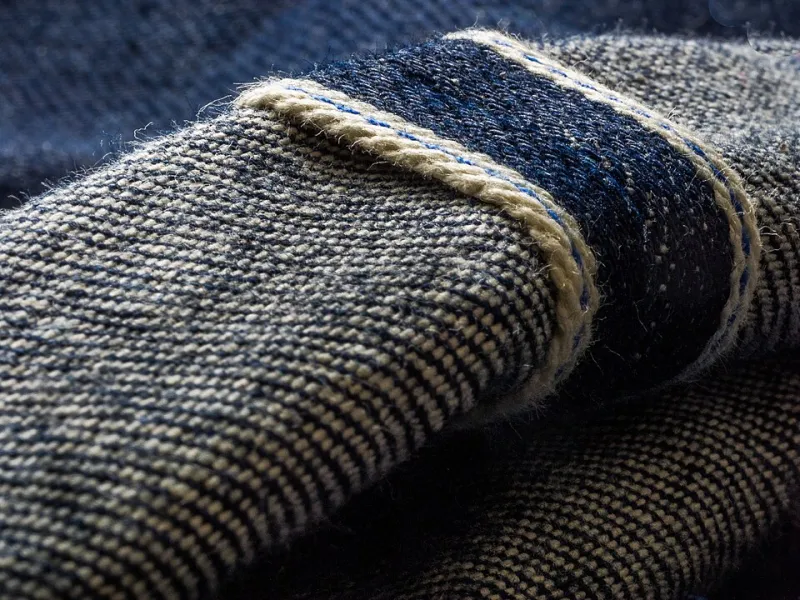
Photo: Ajay Suresh from New York, NY, USA, CC BY 2.0, via Wikimedia Commons
No garment is more American than denim, and none has been treated with less ceremony. Jeans are the workhorse of the national wardrobe — pre-washed, pre-distressed, replaced every few years without mourning. Which is precisely why a small but growing number of American ateliers have turned to them. If couture standards can survive contact with denim, they can survive anything.
What is happening in workshops from Los Angeles to North Carolina is not simply expensive jeans. It is a rethinking of what the word made means when applied to a garment most people have never considered owning in a made form.
Why Denim Resists Couture
Couture methods evolved for wool, silk, and the soft structures of evening dress. Denim is another animal entirely: heavy, rigid, abrasive, and defined by its tendency to change shape over years of wear. Techniques that flatter worsted — interior canvassing, delicate seam allowances, invisible hand-finishing — must be translated, not transplanted.
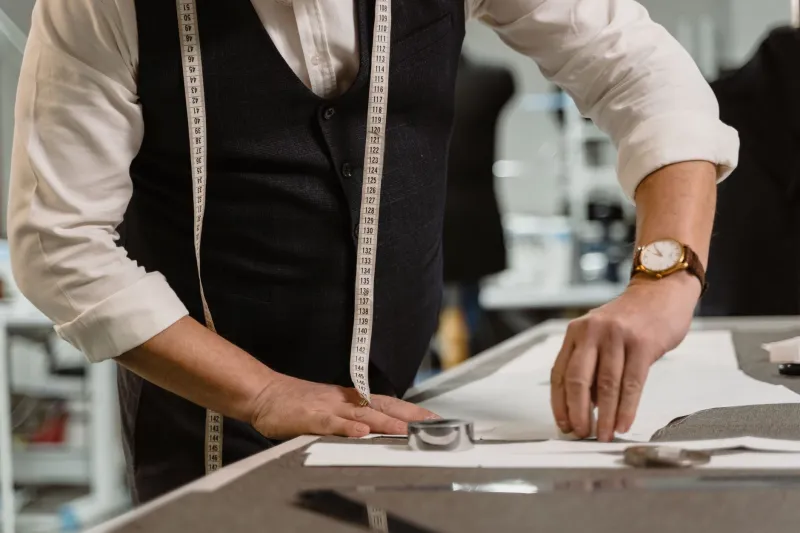
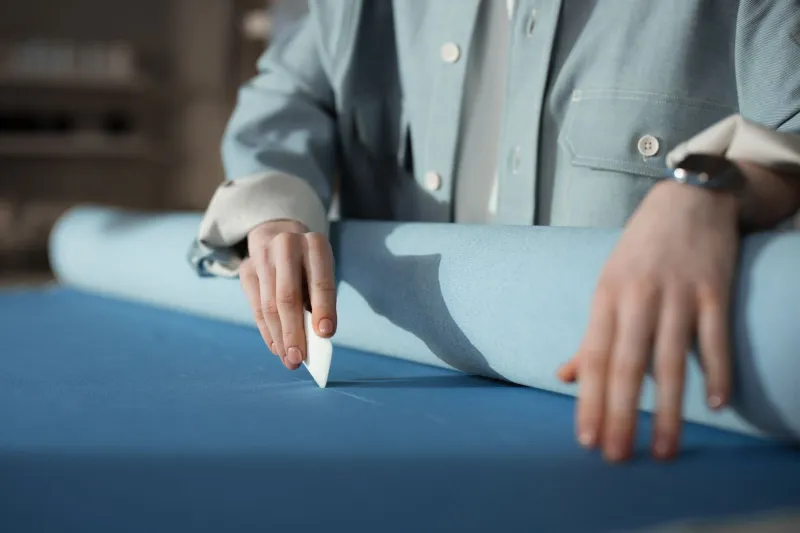
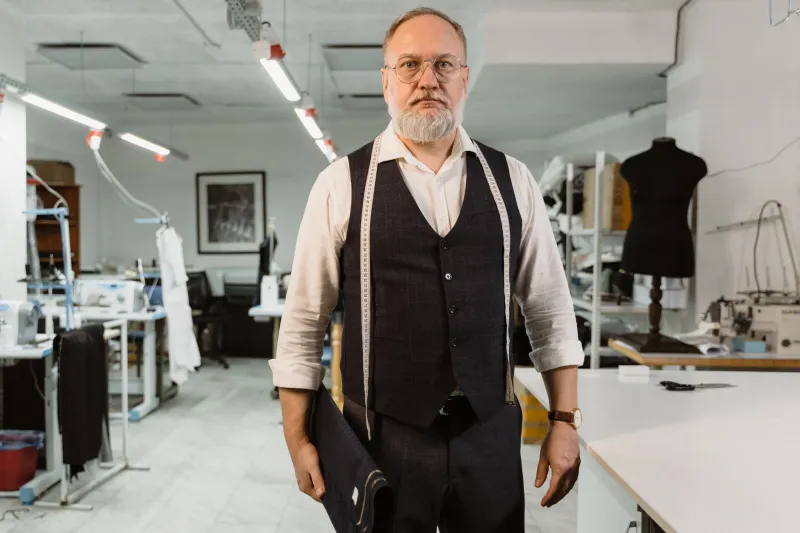
The ateliers doing this well begin where all bespoke begins: the pattern. A custom-drafted jean accounts for the realities a size chart cannot — the asymmetry of a real body, the posture of someone who sits eight hours a day, the way a particular person's jeans always bag at the knee. Measurements are taken standing and seated. Rise, a dimension almost never discussed in ready-to-wear, becomes the central negotiation of the first fitting.
Then comes construction. Where mass denim relies on chain stitching and lockstitch machines running at speed, the couture-leaning workshops use felled seams folded and stitched by hand, bar tacks placed where stress actually occurs on a given body, and pocket bags cut from the same cloth as the garment rather than cheap substitute twill. Rivets are set to be replaceable. Buttons are cast, not stamped.
The Chore Coat as Canvas
The jean gets the attention, but the chore coat has become the atelier's favorite proving ground. Its appeal is structural: a simple, honest garment — patch pockets, drop shoulder, front closure — with nowhere to hide. Every seam is visible. Every corner of every pocket is a small public statement about the maker's patience.
American makers have embraced the form with a sense of inheritance. The chore coat descends from the canvas work jackets worn by farmers and machinists through the Depression, and the best contemporary versions treat that lineage seriously: heavier looms, tighter weaves, cuffs and hems finished so they can be let out as the garment ages. One maker in the Midwest described the goal as "a jacket your grandchild resents having to share."
The Philosophy of the Broken-In
There is a deeper argument beneath the craftsmanship, and it concerns time. Most luxury garments are judged at the moment of purchase. Denim is judged at year five. Raw selvedge denim starts stiff and unforgiving and earns its beauty only through wear — the fades that map the wearer's habits, the honeycombing behind the knees, the whiskers at the hip.
This makes denim an unlikely but ideal medium for atelier values. A couture gown is finished when it leaves the house; a bespoke jean is only beginning. Makers in this niche speak less about fit than about break-in: how the garment will mold, where it should be cut loose to allow for shrinkage, which seams will soften and which must be built to endure. The client is asked to think in years, not seasons.
It is also, notably, a corrective to the worst impulses of the denim market. For two decades, luxury jeans were sold pre-distressed — abrasion applied by machine to simulate a history the garment never lived. The atelier movement inverts this: no simulated wear, no artificial fading, only honest cloth and construction, with the distressing left to the owner's actual life.
Why It Matters Beyond Denim
Skeptics will note, correctly, that a $900 pair of jeans will not reshape the fashion industry. But the significance of the movement is instructional. Denim forces couture craft to prove its usefulness at the most casual register — to demonstrate that hand-work and custom patterning are not costume for special occasions but a better way of making anything a person wears daily.
The most-worn garment in most American closets is a pair of jeans. For decades, that garment received the least care in its making. A handful of ateliers are quietly correcting the imbalance — one felled seam, one hand-set rivet, one perfectly negotiated rise at a time.